.svg)
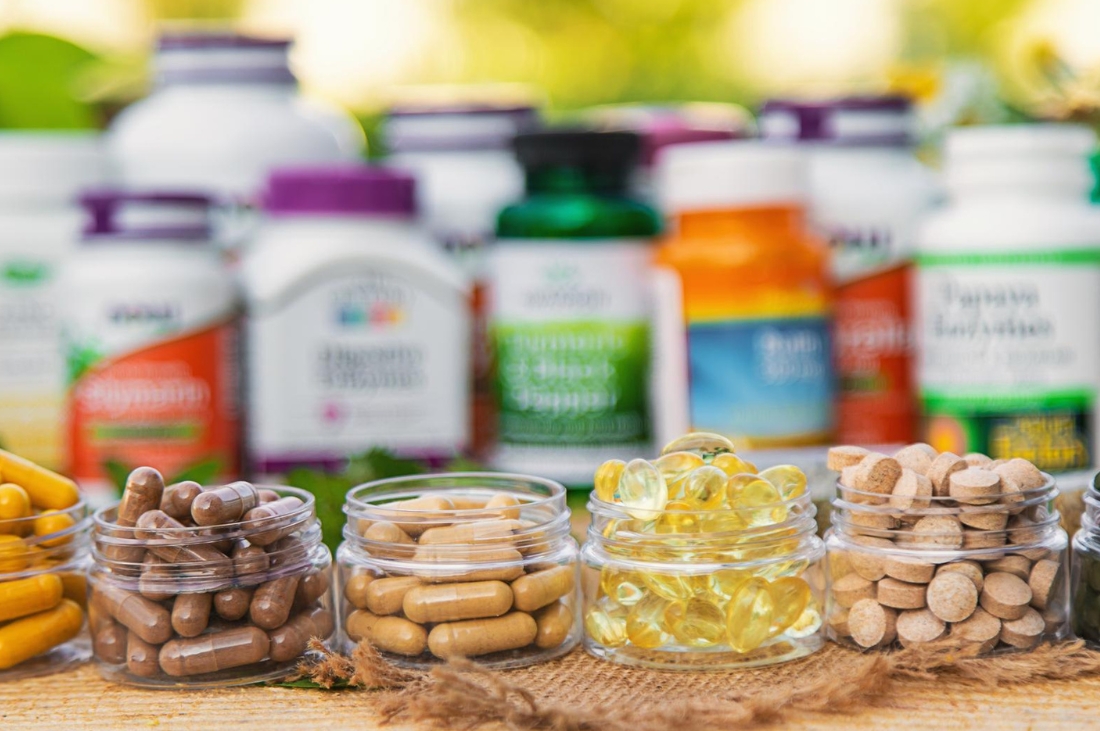
The global nutraceutical market crossed USD 400 billion in 2024, with dietary supplements remaining its fastest-growing segment. Yet growth has brought scrutiny. Regulators, retailers, and consumers now expect supplement manufacturers to meet standards closer to pharmaceutical-grade requirements than conventional food products. For nutraceutical manufacturers, this creates daily operational pressure across quality, compliance, supply continuity, and safety transparency.
Dietary supplement makers now operate in a category without a single global definition. A formulation sold as a dietary supplement in the United States may fall under food law in one country and therapeutic regulation in another. As discussed in our earlier article, Exploring Key Trends for Dietary Supplements Manufacturers, scientific rigour and regulatory readiness increasingly shape who scales sustainably.
This is where CDMOs move beyond execution partners and act as risk and capability integrators.
Below are the top five challenges nutraceutical manufacturers face today, and how CDMOs provide comprehensive solutions.
Natural ingredients rarely behave like synthetic APIs. Botanicals, vitamins, and bioactives vary by geographical source, harvest season, processing method, and storage conditions. Studies from National Institutes of Health highlight that misidentification, adulteration, and inconsistent potency remain persistent risks in dietary supplements.
Batch-to-batch variation directly affects efficacy claims, label accuracy, and brand trust. Once quality control issues arise, recovery proves both expensive and time consuming.
CDMOs apply pharma-grade quality management systems to supplement manufacturing:
Many nutraceutical manufacturers in India also adopt NSF/ANSI 455 GMP frameworks, developed by NSF, to strengthen supplier and retailer confidence.
No global consensus exists on what legally defines a dietary supplement. Regulatory divergence creates uncertainty at every decision point.
A single example illustrates the challenge clearly:
One formulation and one label rarely satisfy all three regions.
CDMOs embed regulatory strategy early in product development:
Supply chains for nutraceutical products face ingredient scarcity, seasonal fluctuations, geopolitical disruptions, and contamination risk. Botanical adulteration and inconsistent sourcing remain top audit findings globally.
Without traceability and supplier oversight, quality failures propagate downstream.
CDMOs reduce sourcing risk through scale and systems:
Advanced CDMOs now implement digital traceability and risk-scoring tools to prevent supply shocks before they affect production schedules.
Vitamins, omega-3s, probiotics, and polyphenols degrade rapidly under heat, humidity, oxygen, or light. Stability failures drive complaints, recalls, and revenue loss.
Global guidance increasingly mirrors pharmaceutical expectations. ICH Q1-style stability studies now inform shelf-life decisions even for advanced supplements.
CDMOs bring structured stability science:
These measures lower return rates and strengthen retailer confidence in long-term quality.
Dietary supplement misuse, high-dose self-medication, and unrecognised drug interactions remain global safety concerns. Reports from the NIH Office of Dietary Supplements note increased adverse events linked to unclear labelling and inadequate warnings.
Safety perception now influences purchasing decisions as much as efficacy.
CDMOs support responsible market positioning:
This evidence-first approach protects consumer health while strengthening brand credibility.
Nutraceutical manufacturers in India, such as ZIM Labs, help dietary supplement makers operate with pharma-grade discipline, global regulatory clarity, and technical depth. The result is faster market access, lower compliance risk, and stronger long-term brand equity.
ZIM Laboratories Limited is a therapy-agnostic and innovative drug delivery solution provider focusing on enhancing patient convenience and treatment adherence to drug intake. We offer a range of technology-based drug delivery solutions and non-infringing proprietary manufacturing processes to develop, manufacture, and supply innovative and differentiated generic pharmaceutical products to our customers globally. At ZIM Labs, we provide our customers with a comprehensive range of oral solid value-added, differentiated generic products in semi-finished and finished formulations. These include granules, pellets (sustained, modified, and extended-release), taste-masked powders, suspensions, tablets, capsules, and Oral Thin Films (OTF).


