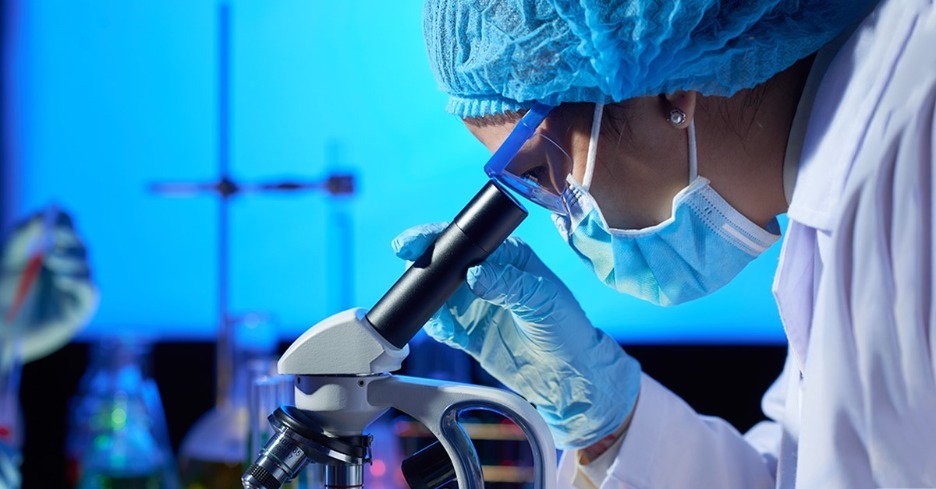
Pharmaceutical R&D helps identify these constraints early, determine which ones are critical to feasibility, and select a formulation strategy around the actual behaviour of the API.
An experienced oral dissolving film manufacturer for OTC products can help pharmaceutical companies answer the feasibility question before significant resources are committed to development.
According to the 2026 review, Pharmaceutical Drug Lifecycle: A Comprehensive Scientific Review of Research and Development Phases, Attrition Rates, and Global Disparities, by Gustavo Lorenzo Moretta, only about 9.6–21.5% of compounds entering clinical trials ultimately gain regulatory approval.
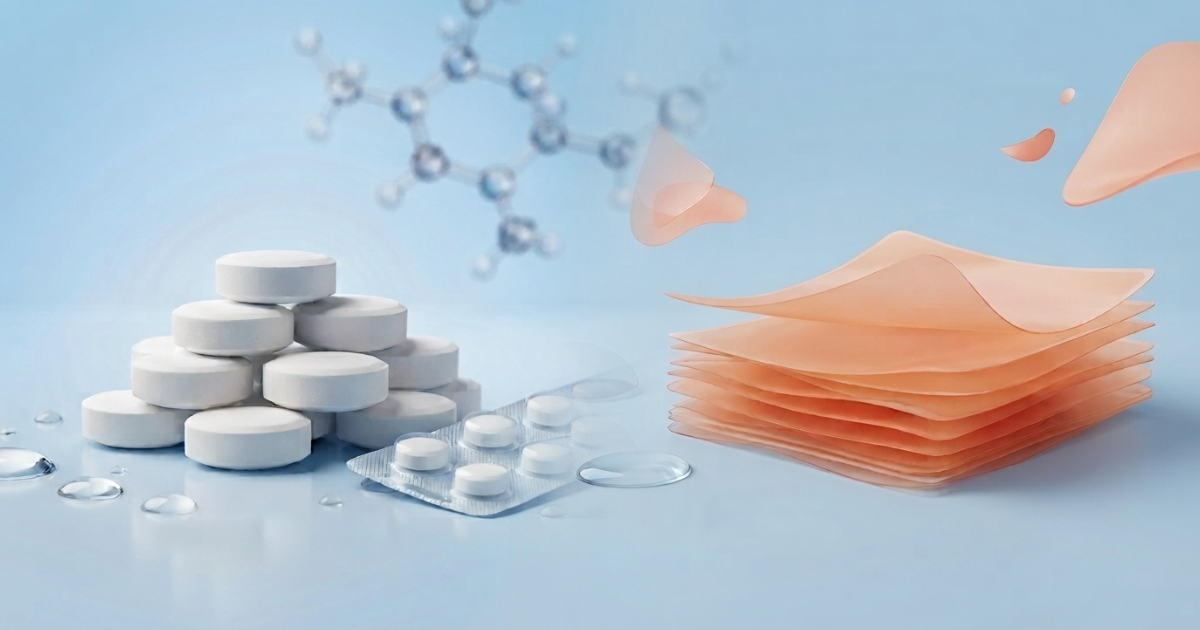
Orally disintegrating tablets (ODTs) offer water-free administration and can be valuable when swallowing conventional tablets is difficult. Oral thin films (OTFs) provide a thin, portable platform with opportunities for rapid disintegration, taste masking, and differentiated delivery.
As the global pharma community comes together at CPHI Milan 2026, these priorities will help shape discussions not simply about where pharmaceutical manufacturing is heading, but how companies intend to get there.
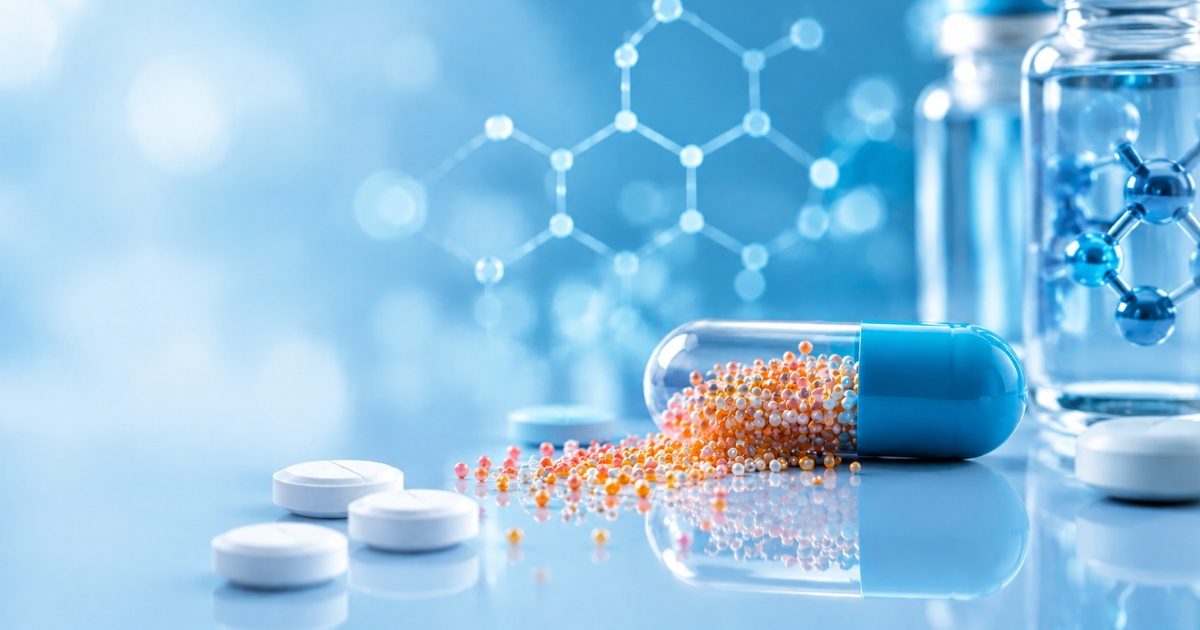
Nanotechnology is expanding the options available to formulation scientists for addressing some of these limitations. Nano-enabled drug delivery systems, including nanocrystals, lipid nanoparticles and polymeric nanoparticles, can alter how poorly soluble APIs disperse, dissolve, or remain protected within the gastrointestinal environment.
Orodispersible tablets (ODTs) and orodispersible films (ODFs) address this limitation through dosage forms designed to disintegrate in the oral cavity without requiring water. However, they are not interchangeable platforms.
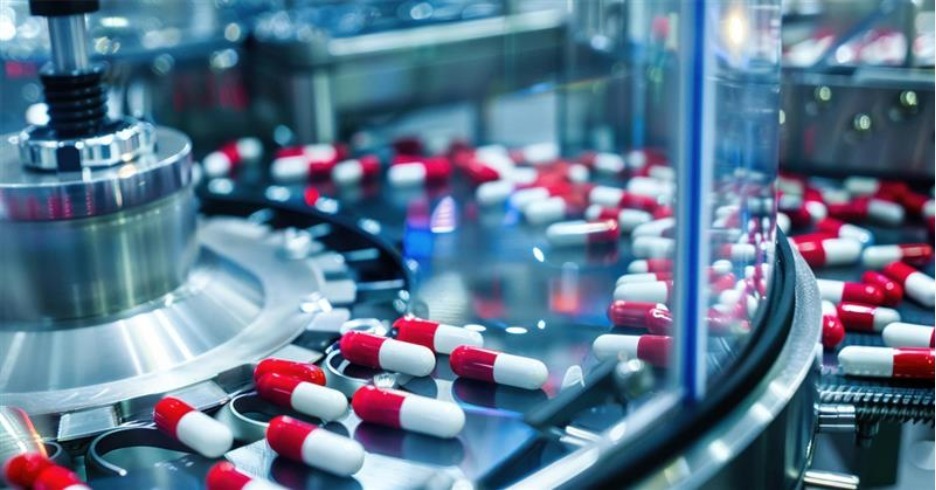
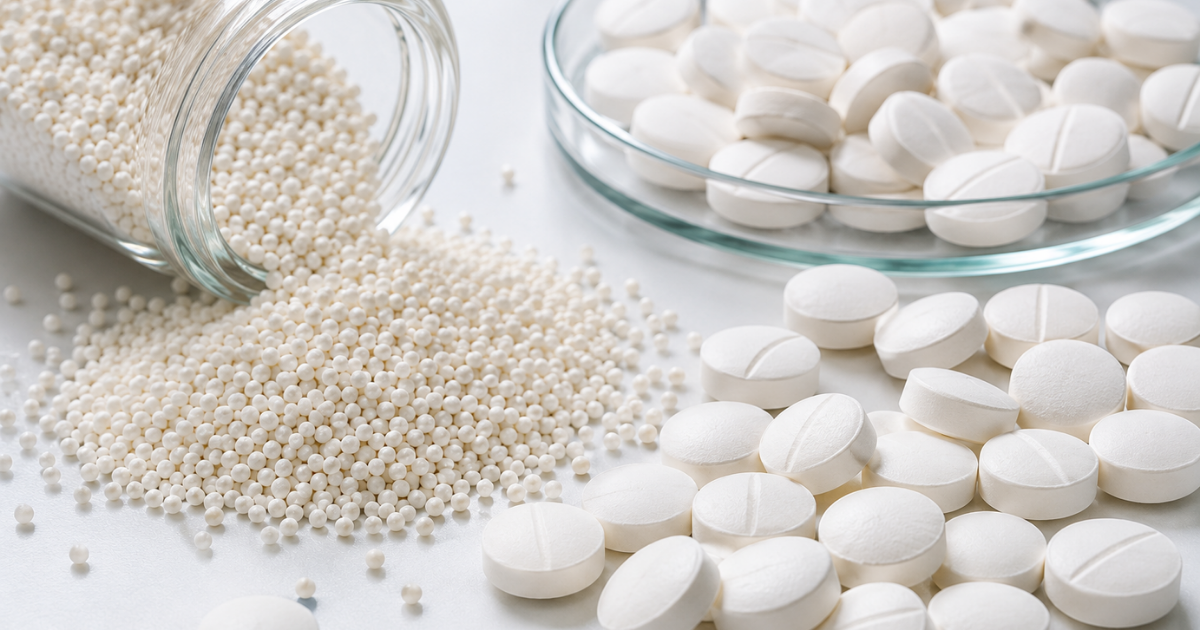
As pharmaceutical companies continue to prioritise faster product development, cost efficiency, and manufacturing scalability, directly compressible (DC) granules have become an increasingly important part of solid oral dosage manufacturing.
Pharmaceutical taste masking has therefore evolved from a formulation refinement into a fundamental requirement in modern oral drug delivery, particularly for patient populations that are highly sensitive to bitterness. to bitterness.
Preventive healthcare focuses on identifying and managing health risks before they progress into chronic disease. Within this approach, nutraceutical supplements are increasingly being incorporated into broader wellness strategies because they contain bioactive ingredients that help support normal physiological function, metabolic balance, immune health, and cellular protection.
Oral dosage forms are evolving. Oral thin films, orally disintegrating systems, multiparticulates, and personalised medicines are becoming more prevalent. Formulation scientists must address taste without compromising dissolution, stability, bioavailability, or therapeutic performance.
The pharmaceutical industry is moving beyond broad population-based therapies toward increasingly targeted treatment strategies. Advances in genomics, biomarker-driven drug development, and precision diagnostics are enabling therapies designed for narrower patient groups with more defined clinical profiles.
As sustainability expectations become more deeply embedded into global sourcing frameworks, pharmaceutical manufacturers are increasingly recognising ESG as a business priority rather than a standalone compliance exercise.
Nanotechnology-based oral drug delivery addresses these limitations by engineering drug carriers at the nanometre scale, typically between 1 and 100 nanometres. This significantly increases surface area and improves dissolution behaviour, allowing better absorption and enhanced therapeutic efficiency.
India’s pharmaceutical sector enters 2026 with momentum built over several years. Post-pandemic recovery has stabilised supply chains, restored export flows, and reinforced India’s role as a dependable supplier of affordable medicines.
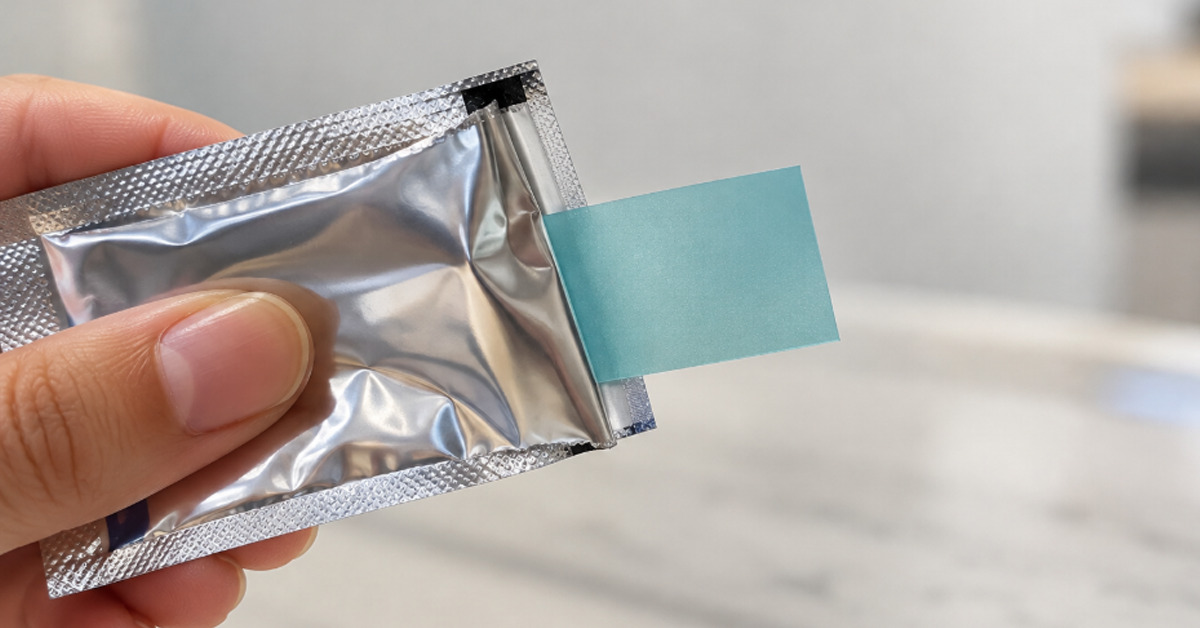
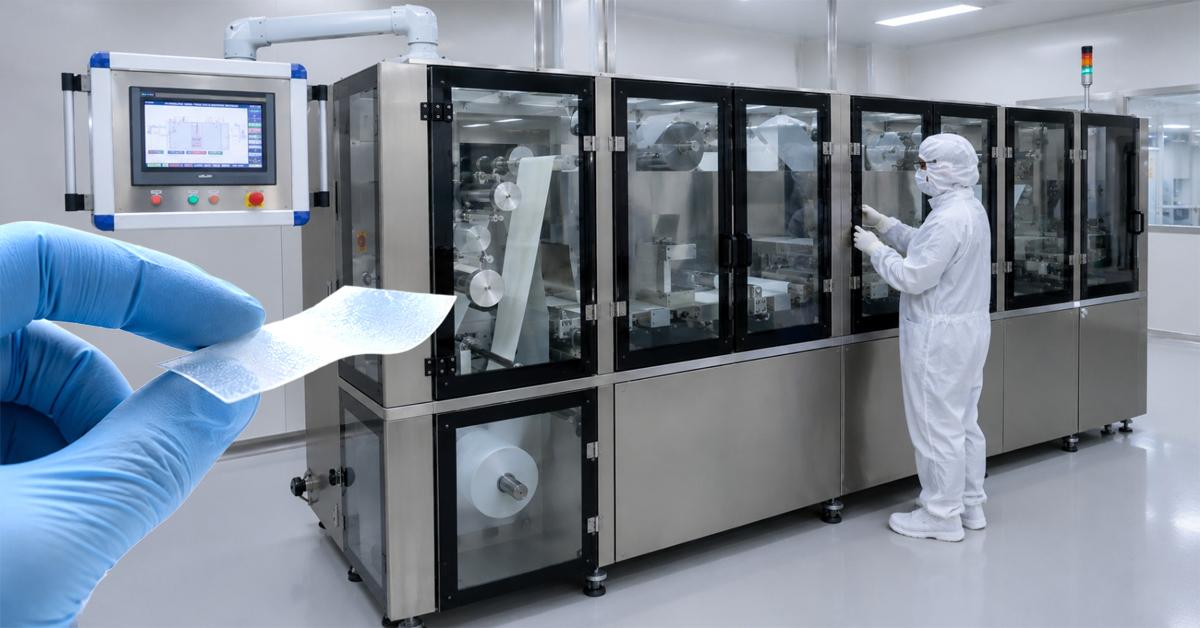
Oral thin film manufacturing involves the production of thin polymer-based films designed to dissolve rapidly in the oral cavity. These films deliver APIs through buccal or sublingual pathways depending on formulation design and therapeutic intent.
Nutraceuticals in oral disintegrating strips are thin-film dosage systems designed to dissolve rapidly when placed on the tongue or oral mucosa. These strips deliver functional ingredients such as vitamins, minerals, botanicals, and other bioactive compounds through a convenient oral format.
Healthcare systems globally are under sustained pressure from rising cases of diabetes, cardiovascular disorders, respiratory conditions, and other chronic illnesses. This has led to a structural shift in how healthcare is delivered.
A pharmaceutical manufacturer working in the nutraceutical space plays a critical role in translating formulation intent into a viable product.
The pharmaceutical product lifecycle spans from early discovery to commercial supply and post-market management. The key five stages include API development, pre-formulation, formulation development, manufacturing, and distribution.
Lorem ipsum dolor sit amet, consectetur adipiscing elit. Suspendisse varius enim in eros elementum tristique.