.svg)
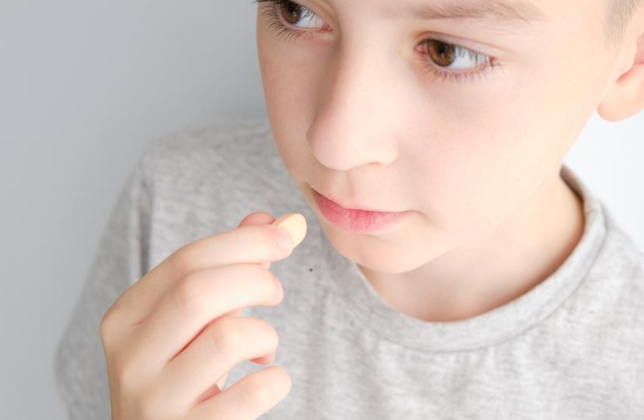
Taste masking of bitter drugs remains one of the most critical challenges in paediatric drug development. Most pharmacological actives possess an inherently unpleasant or bitter taste, with intensities ranging from mild to highly aversive. This becomes particularly important when formulating medicines for children, where oral administration is preferred. Liquid formulations and oral solid dosage forms are commonly used due to their dosing flexibility and convenience. However, these dosage forms can expose the active pharmaceutical ingredient (API) directly to taste receptors in the oral cavity, making effective taste masking an essential consideration in paediatric formulation design.
Taste masking of bitter drugs is essential not only for improving palatability but also for ensuring patient compliance, therapeutic effectiveness, and consistent treatment outcomes in paediatric populations.
Taste perception varies significantly between children and adults due to physiological, developmental, and sensory differences. Children exhibit greater sensitivity to bitter tastes, which is considered an evolutionary protective mechanism against toxic substances. As a result, bitterness is strongly rejected in paediatric patients, even when tolerated by adults in pharmaceutical or dietary products.
Taste preferences evolve. Many flavours initially perceived as unpleasant during childhood may become acceptable in adulthood. However, this natural adaptation does not address the immediate challenges faced in paediatric drug administration, where treatment adherence is directly influenced by palatability.
Compounding this challenge is the limited scope for taste evaluation in paediatric populations due to ethical and safety constraints. Consequently, formulation taste masking strategies often rely on scientific modelling, sensory analysis, and comparisons with acceptable flavour profiles in confectionery products.
For pharmaceutical manufacturers, palatability directly impacts treatment success. Poor taste may result in missed doses, incomplete therapy, or refusal to take medication. In prescription treatments such as antibiotics, this can lead to treatment failure or resistance development. Effective taste masking of bitter drugs, therefore, plays a central role in ensuring adherence and therapeutic success.
Taste masking is particularly important in paediatric liquid formulations and oral solid dosage forms because these formats expose the drug to saliva before swallowing. Unlike conventional tablets designed for immediate swallowing, paediatric formulations often remain in the mouth longer, increasing the likelihood of bitter taste perception.
The need for taste masking is further reinforced by the pharmaceutical industry's shift toward patient-centric drug development. Multiparticulate oral solid dosage forms such as granules, pellets, orally disintegrating tablets, and oral thin films are increasingly preferred because they combine dosing flexibility, improved stability, and enhanced patient acceptability. However, these dosage forms require advanced taste masking technologies to prevent direct interaction between the API and taste receptors.
Effective taste masking improves:
Taste perception is mediated by specialised receptor cells located on taste buds in the oral cavity. Bitter taste is detected by G-protein-coupled receptors known as TAS2Rs. When bitter drug molecules dissolve in saliva, they interact with these receptors, triggering a signalling cascade that sends bitterness signals to the brain.
This interaction involves:
The intensity of bitterness depends on factors such as drug solubility, concentration, molecular structure, and exposure time in the oral cavity.
Taste masking of bitter drugs works by preventing or minimising this interaction between APIs and taste receptors, either through physical barriers, chemical modification, or controlled drug release.
Formulation taste masking in liquid paediatric dosage forms relies on reducing API interaction with taste receptors while maintaining therapeutic performance. Key approaches include:
The key techniques used to achieve effective taste masking include:
Chewable tablets require specialised approaches such as coated drug particles, lipid encapsulation, and flavour combinations to prevent bitterness during chewing.
Taste masking effectiveness depends on drug solubility, particle size, coating thickness, and excipient selection. Emerging technologies such as nanocarriers, smart polymers, oral thin films, and AI-driven formulation are further improving paediatric drug acceptability and therapeutic outcomes.
ZIM Labs is an innovative drug delivery solution provider focusing on improving patient convenience and adherence to drug intake. We offer a range of technology-based drug delivery solutions and non-infringing proprietary manufacturing processes for the production and supply of innovative and differentiated generic pharmaceutical products to our customers globally. At ZIM Labs, we provide our customers a comprehensive range of value-added solid dosage differentiated generic products in semi-finished and finished categories/formulations. These include granules, pellets (sustained, modified, extended-release), taste-masked powders, suspensions, tablets, capsules, and recently developed Oral Thin Films (OTF).


